Architectural project by:
Project promoted by:



CONTACT
Commissioned by:
info@housefactory.it

+39 011 720 9050
HISTORY
Corso Fiume 11, 10131 (TO)
Through the Centuries


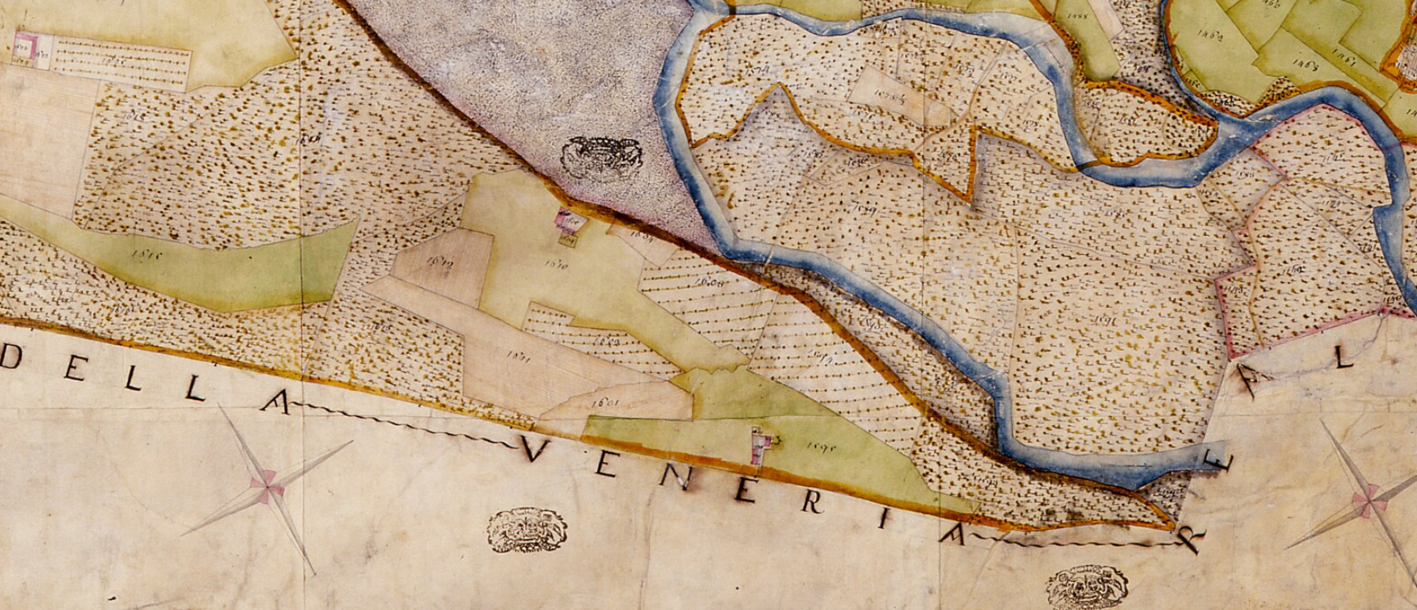
The “Gambarona” farmhouse has historical roots dating back to the 1740 Sabaudo Land Registry, marking its role in the agricultural and residential organization under Savoy rule. Originally designed in an “L” shape, it featured two main wings: one for residence and the other for agricultural functions such as the bakery, chapel, and barn. This simple, functional layout reflected the needs of rural life and economic self-sufficiency. A second survey in 1802 confirmed little change in its structure.
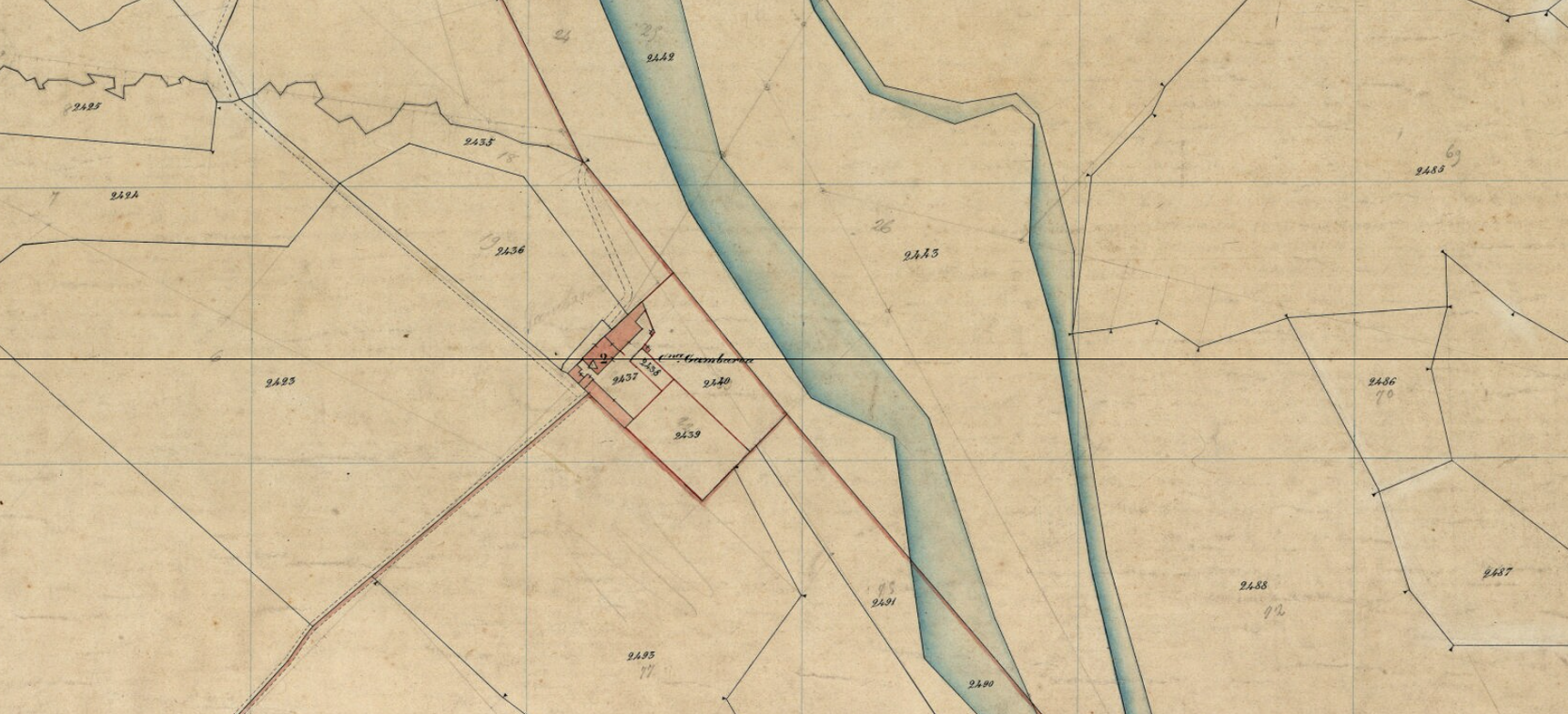
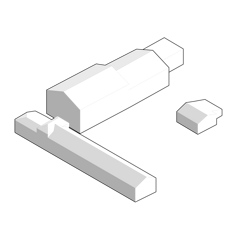
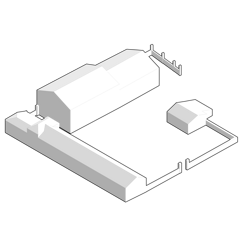
The most significant transformation occurred in 1860 with the Rabbini Land Registry, which introduced new buildings and expanded the northern wing, though it still preserved the farmhouse’s original layout. Despite these changes, the farmhouse retained its historical charm and agricultural focus, adapting to the evolving rural context. Today, the farmhouse stands as a symbol of Piedmont's rural history, reflecting both its agricultural roots and its ability to evolve while maintaining a connection to the past.
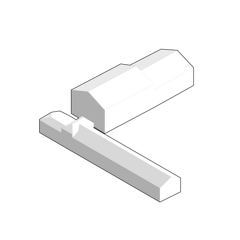
1740
1860
Today
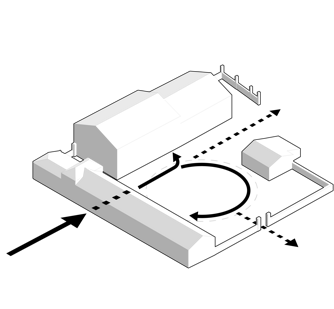
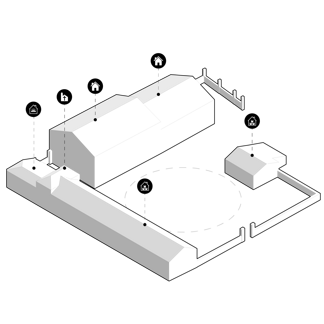
The “L” shape, typical of the vernacular architecture of the Piedmontese countryside, consists of a service wing and a residential wing, both oriented to enclose the central courtyard.
The addition of a small central volume for storage/wood shed, positioned to ideally close off the courtyard. The extension of the northern wing with an additional service volume.
The original configuration remains fundamentally preserved, with the courtyard maintaining its proportions and centrality within the lot, and the volumes facing it remaining unchanged.